Coming Home To The English Countryside
 T Jesson
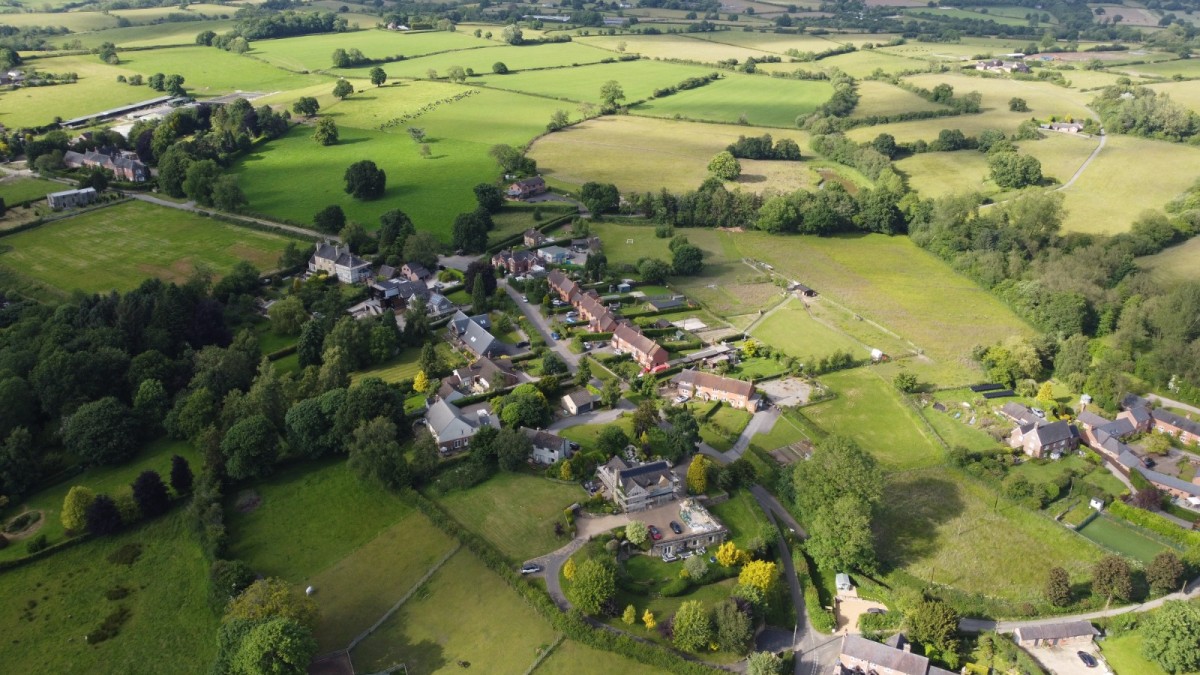
After fourteen years in the USA, returning to the Derbyshire countryside gave me a fresh appreciation for rural Britain. I’m exploring...
Coming Home to the Countryside
After living in the United States for fourteen years, returning to the Derbyshire countryside felt both familiar and new.
The landscape was still recognisable: dry-stone walls tracing their way across fields, village lanes winding between old cottages and the hills changing colour with the seasons. Yet I found myself noticing things I might once have taken for granted.
I began looking more closely at the farms, workshops, village shops and independent businesses that give rural places their character. I became curious about the people behind them, the work involved and the decisions they were making to secure their future.
Living away had changed the way I saw home.
Seeing familiar places with fresh eyes
When somewhere has always been part of your life, it is easy to stop noticing what makes it special.
Coming back gave me the perspective of both a resident and a visitor. I recognised the landscape and its traditions, but I also wanted to understand how rural life was changing.
The countryside is often portrayed as timeless, yet it is constantly adapting.
Farmers are responding to changing markets, environmental pressures and public expectations. Food producers are finding new ways to reach customers. Historic buildings need imaginative uses that can support their preservation. Independent businesses must serve their local communities while attracting visitors from further afield.
Behind every picturesque view is a working landscape shaped by real people, commercial decisions and practical challenges.
Those are the stories I want to explore.
The people who create a sense of place
What makes a rural destination memorable?
The scenery is important, but our connection to a place is often created by people.
It might be the farmer explaining how the seasons affect the food we eat, the baker preserving a regional recipe, or the craftsperson using skills passed down through generations.
It could be a family restoring an old building, a village business creating local employment or an entrepreneur finding a new use for something that might otherwise have disappeared.
These individuals give places their identity. Through their work, they connect us to the landscape, its history and the communities that live there.
Their businesses are also part of the visitor experience. They give us reasons to stop, explore, taste something local and understand a place more deeply.
Rural businesses are always evolving
There is a temptation to think that tradition and innovation sit on opposite sides of a divide.
In reality, rural businesses frequently need both.
Preserving a skill, product or historic property often requires someone to rethink how it is presented, funded or experienced. A traditional business may need to adopt new technology, reach a different audience or create additional sources of income.
A farm might open a shop, develop visitor experiences or sell directly to customers. A heritage property may host events or collaborate with local makers. A food producer may combine a historic recipe with contemporary branding and online sales.
These decisions are not simply marketing exercises. They can determine whether knowledge survives, buildings are maintained and businesses remain viable.
I am interested in how people navigate that balance: protecting what matters while creating something sustainable for the future.
Food as a way of understanding place
Food has always been central to my work and my curiosity.
It tells us about geography, agriculture, migration, memory and tradition. It can reveal how a community developed and which ingredients were historically available. It also creates one of the most immediate ways for visitors to connect with an area.
A local product becomes much more meaningful when we understand where it came from, who made it and why it belongs to that particular place.
Behind it may be years of specialist knowledge, a family history, an unusual production method or a determined effort to keep a regional tradition alive.
By meeting the people who grow, make and serve our food, we begin to see a much larger story about the countryside and the rural economy.
Listening to the stories behind the businesses
My career has given me opportunities to work with independent business owners, hospitality operators, designers, founders and customer-facing organisations.
Again and again, I have found that the most compelling part of a business is the story its owner initially considers too ordinary to mention.
Why did they begin?
What nearly stopped them?
What have they learned?
Why do they continue when the work becomes difficult?
What do they hope will remain for the next generation?
These questions reveal far more than a polished description of a product or service. They help us understand the person, the place and the purpose behind it.
My work in journalism and broadcasting has encouraged me to become an even more attentive listener. It has given me a reason to follow my curiosity, ask better questions and share what I discover through writing, audio and film.
Stories from the countryside
From my home in Derbyshire, I will be exploring rural businesses, British food, farming, heritage, hospitality and tourism.
Some stories will be rooted close to home; others will take me to different parts of the country. They may introduce established businesses, new ventures or people quietly maintaining traditions that deserve wider recognition.
I want to understand how rural businesses contribute to their communities, how they respond to change and how they create experiences that help visitors connect with a place.
Most importantly, I want to meet the people behind them.
Returning to the countryside has reminded me that remarkable stories are often found in places we think we already know.
Sometimes, we simply need to look again.
Categories: : Business Growth